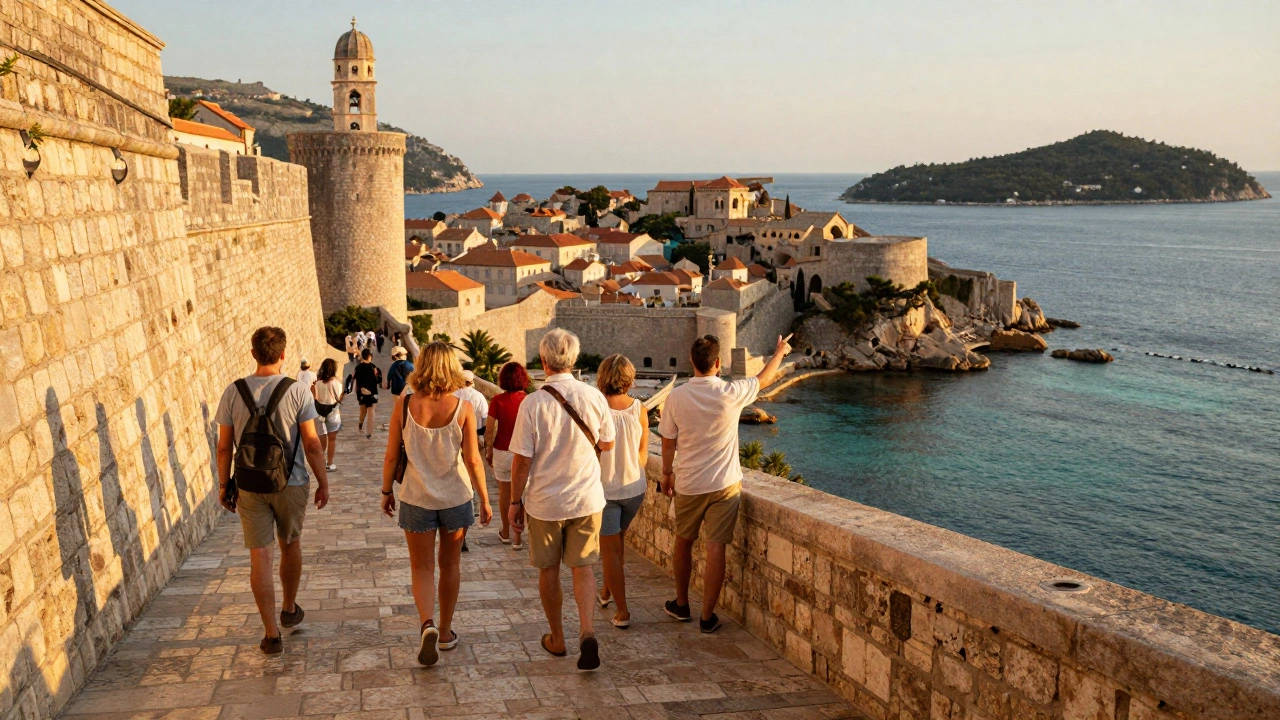
Croatia doesn’t just look like a postcard-it feels like one. From the turquoise waters of the Adriatic clinging to ancient stone walls in Dubrovnik, to the winding vineyards of Istria where truffles grow under oak trees, the country rewards those who take their time. An escorted trip isn’t just a tour; it’s the only way to truly unlock Croatia’s hidden rhythm. You won’t find this depth on a self-guided itinerary or a rushed cruise stop. Local guides know which coastal path opens to a secret cove, which family-run konoba serves the best octopus stew, and which monastery cellar holds wine older than your great-grandfather. And yes, if you’re looking for something completely different after a long day of exploring, escort massage dubai is a service some travelers seek in other parts of the world-though it has no place here, where the real relaxation comes from sun-warmed stone and a glass of Plavac Mali at sunset.
Why Escorted Tours Work Better in Croatia
Croatia’s beauty is scattered. The Dalmatian Coast stretches over 1,700 kilometers. The islands? Over a thousand of them. Trying to plan your own route means spending hours on Google Maps, guessing ferry schedules, and hoping the local bus still runs. An escorted trip removes all that noise. You get a fixed itinerary designed by people who live here, not by algorithms. Your guide knows which day the ferry to Vis runs late, which beach closes for nesting turtles in May, and where to get fresh seafood straight off the boat before the tour groups arrive.It’s not just logistics-it’s access. In Split, you’ll walk through Diocletian’s Palace with a historian who can point out the exact spot where Emperor Diocletian once gardened. In Plitvice Lakes, you’ll skip the 9 a.m. crowds and enter right at opening, when the water is still and the light hits the cascades just right. In Hvar, your guide will take you to a small family winery that doesn’t have a website but has been making wine since 1872.
The Food You Won’t Find on TripAdvisor
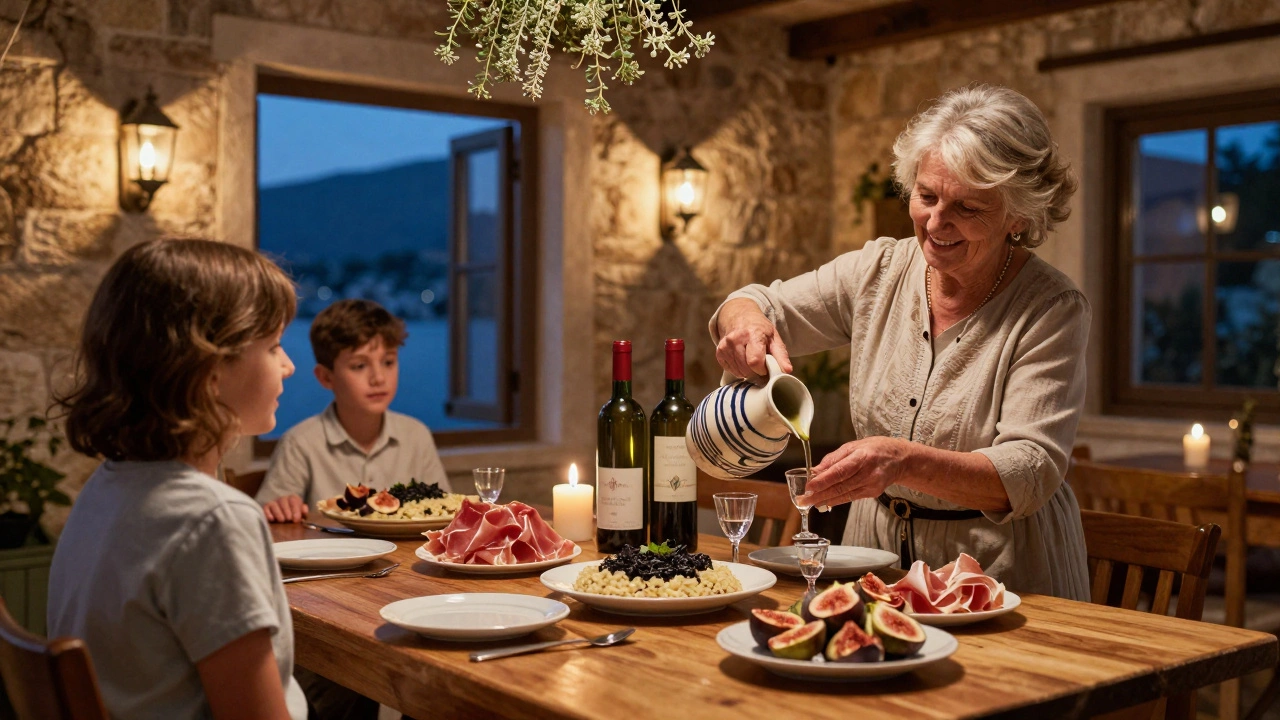
Croatian food isn’t just about pasta and seafood. It’s layered. In Slavonia, you’ll eat kulen-spicy, air-dried sausage made with paprika and garlic, wrapped in natural casing and aged for months. In the mountains of Lika, you’ll taste pršut-dry-cured ham, smoked over beechwood, sliced paper-thin and served with figs and local cheese. In Zagreb, you’ll find štrukli, a baked or boiled dough filled with cottage cheese, served with sour cream and butter, a dish so old it predates the Austro-Hungarian Empire.On an escorted tour, you won’t eat at the same restaurant every group visits. You’ll sit at a table in a 200-year-old stone house in Korčula, where the hostess brings out homemade rakija from a hidden shelf and tells you how her grandmother distilled it using wild herbs. You’ll taste black squid ink risotto in Rovinj, cooked with fresh cuttlefish caught that morning. These aren’t experiences you book online. They’re shared, quietly, over long lunches that stretch into afternoon naps under fig trees.
History That Doesn’t Feel Like a Lecture
Croatia’s past isn’t locked in museums. It’s carved into the walls of Šibenik’s Cathedral of St. James, built entirely of stone without mortar. It’s hidden in the tunnels of Medvedgrad Castle near Zagreb, where nobles once plotted against Ottoman invaders. It’s whispered in the alleyways of Trogir, a UNESCO site so perfectly preserved, it looks like a film set.On an escorted tour, history isn’t recited from a script. It’s told like stories around a fire. Your guide will show you the exact spot where the Venetians carved their lion into the stone, or point out the faint graffiti left by Austrian soldiers during World War I. You’ll stand on the same steps where kings were crowned, and hear how the locals still light candles in the chapel for sailors lost at sea. These moments don’t come from guidebooks. They come from someone who grew up hearing these tales from their grandparents.
Landscapes That Change Every Hour
One morning you’re hiking through the canyons of Krka National Park, where waterfalls spill into emerald pools. By afternoon, you’re sailing between the islands of Brač and Hvar, watching the sun turn the limestone cliffs gold. Later, you’re walking through the olive groves of Pelješac, where trees are hundreds of years old and the oil tastes like grass and green almonds.Escorted tours move with the rhythm of the land. You won’t be rushed from one site to the next. You’ll have time to swim in the clear waters of Mljet’s saltwater lake, or sit quietly on the cliffs of Brijuni, where wild peacocks wander freely and Roman ruins peek through the brush. The guides know when to push forward and when to stop-when the light is right, when the tide is low, when the breeze carries the scent of wild thyme across the hills.
What You Won’t Get on a Group Bus Tour
Big group tours in Croatia often feel like factory lines. You get 20 minutes at Plitvice, 15 at Diocletian’s Palace, then back on the bus. No time to talk. No time to taste. No time to breathe.Escorted trips are different. They’re small-usually no more than 12 people. You’re not just a number. You’re part of the group. The guide remembers your name, your favorite wine, the fact you hate crowds. They adjust the pace. They find quiet corners. They invite you to join them for coffee after dinner. You’ll leave not just with photos, but with stories. With friendships. With a deeper understanding of a place that doesn’t give itself away easily.

When to Go and What to Pack
The best time for an escorted tour in Croatia is late May to early June, or mid-September to October. The weather is perfect-warm but not scorching. The crowds are gone. The sea is still warm enough to swim. Prices drop, and the locals are more relaxed.Pack light, but smart. Comfortable walking shoes. A light rain jacket. A hat. Sunscreen. A reusable water bottle. And one nice outfit-because you’ll end up at a dinner where the hostess serves homemade pasta and wine from her own vines, and you’ll want to look like you belong.
And if you’re wondering about the little things-like whether to tip, how to say thank you in Croatian, or where to buy authentic lavender soap-your guide will tell you. No guesswork. No stress.
Final Thought: It’s Not a Vacation. It’s a Connection.
Croatia doesn’t need you to see everything. It needs you to feel something. An escorted trip doesn’t just show you the country. It lets you walk beside it. To hear its silence. To taste its patience. To understand why the people here still light candles for the sea.You’ll come back changed. Not because you saw a lot. But because you finally stopped rushing.
And yes, if you ever find yourself in Dubai and need a break from the heat, you might hear about dubai massage happy ending-but here, in Croatia, the only thing you’ll need to unwind is a glass of wine, a breeze off the Adriatic, and the quiet knowledge that you’ve seen something real.
Some travelers look for quick fixes-like outcall massage dubai-to escape the weight of travel. But in Croatia, the escape isn’t in a room. It’s in the stones, the salt, the slow rhythm of a life lived close to the land.
And if you’re ever tempted to cut corners, remember: the best parts of Croatia aren’t on the map. They’re whispered between locals. And you’ll only hear them if you slow down.
By the end of your trip, you’ll realize you didn’t just visit Croatia. You remembered how to be still.
Napiši komentar